
Medical Surgeries
The Intragastric Balloon


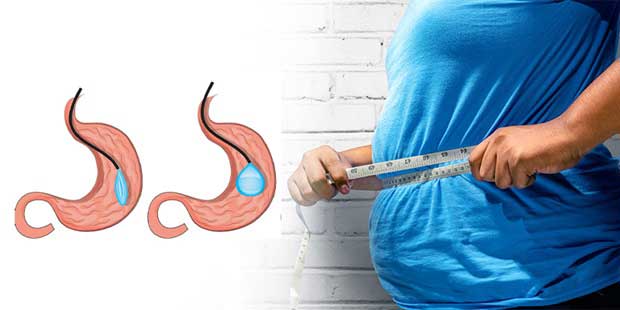
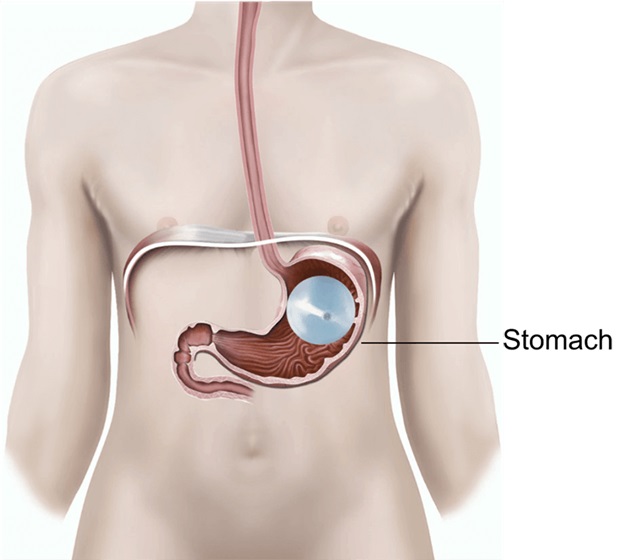
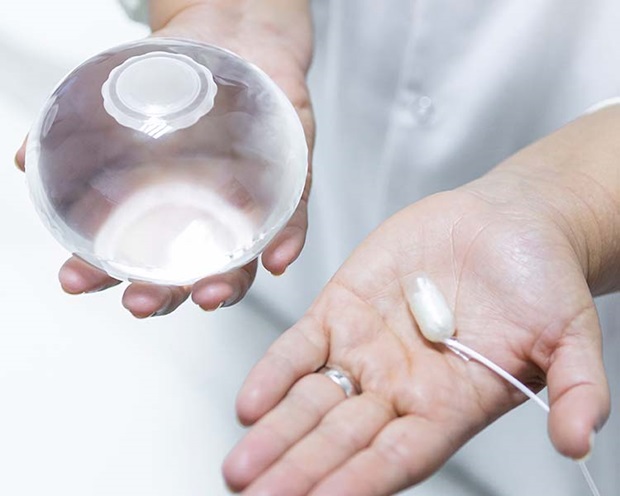
The Intragastric Balloon Procedure, also known as gastric balloon or weight loss balloon, is a non-surgical, minimally invasive medical intervention designed to help individuals lose weight. This procedure involves inserting an inflatable balloon into the stomach to reduce its capacity, thereby promoting a feeling of fullness and helping patients control their food intake.
Here are some of the key aspects and advantages of the Intragastric Balloon procedure:
Non-surgical: Unlike traditional weight loss surgeries such as gastric bypass or sleeve gastrectomy, the Intragastric Balloon is a non-surgical procedure. It is performed endoscopically, which means it doesn't require any incisions or major surgery.
Short recovery time: The recovery time is relatively short, and most patients can return to their normal activities within a few days.
Temporary intervention: The balloon is not a permanent implant. It is typically left in the stomach for a duration of about 6 to 12 months, after which it is removed. This makes it a reversible option for weight loss.
Weight loss: The primary goal of the Intragastric Balloon is to assist in weight loss. By occupying space in the stomach, it reduces the amount of food that can be consumed during meals, leading to reduced calorie intake and, subsequently, weight loss.
Low risk: The procedure is generally considered safe, with a low risk of complications compared to traditional weight loss surgeries. However, like any medical procedure, it does have associated risks and side effects, which should be discussed with a healthcare provider.


Improved satiety: The balloon promotes a feeling of fullness, which helps individuals eat smaller portions and make healthier food choices, ultimately aiding in weight loss.
Lifestyle modification: The procedure is typically accompanied by a comprehensive weight management program that includes dietary and exercise counseling. This helps patients establish healthier lifestyle habits.
Potential for significant weight loss: While the amount of weight loss can vary from person to person, many individuals have experienced significant weight reduction with the Intragastric Balloon, sometimes losing 20-40% of their excess body weight.
It's essential to note that the Intragastric Balloon is not suitable for everyone, and its effectiveness may vary from person to person. It is typically recommended for individuals who have struggled with obesity and have not been successful with diet and exercise alone. A medical professional or bariatric specialist can provide guidance on whether this procedure is appropriate for a specific individual based on their unique circumstances and medical history.


Before and after intragastric balloon
purpose of the balloon is to reduce the amount of food a person can consume, leading to weight loss. Here's what you can expect before and after undergoing a gastric balloon procedure:
Before the Procedure:
• Consultation : You will have an initial consultation with a healthcare provider to determine if you are a suitable candidate for a gastric balloon. Factors such as your BMI, medical history, and weight loss goals will be assessed.
• Preparation: In the days leading up to the procedure, you will likely be instructed to follow a specific diet and lifestyle plan to prepare your body for the insertion of the balloon.
• Medical Assessments: You may undergo various medical tests, including blood work, to ensure that you are in good health for the procedure.
• Informed Consent: You will need to sign an informed consent form, acknowledging the potential risks and benefits of the procedure.
During the Procedure
• Balloon Insertion: The procedure typically takes about 20-30 minutes and is done under sedation or light anesthesia.
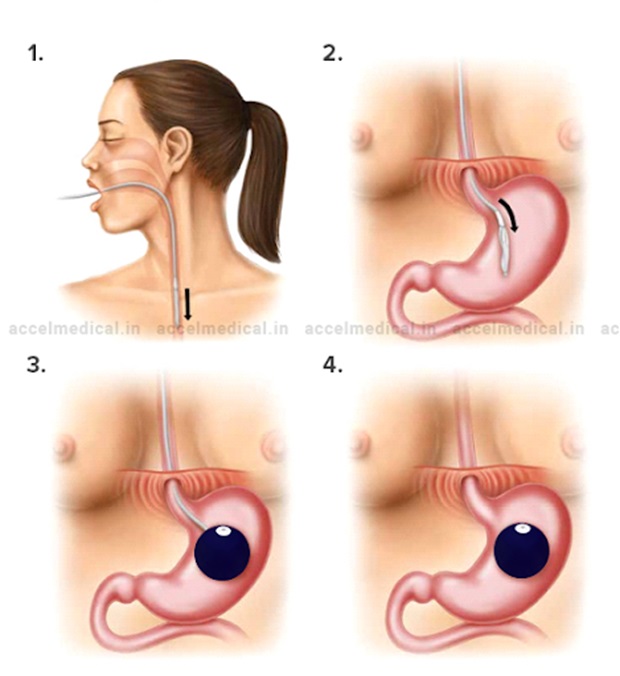
A deflated balloon is inserted through the mouth and into the stomach using an endoscope. Once inside the stomach, the balloon is inflated with a sterile saline solution.
• Recovery: After the procedure, you will be monitored for a few hours to ensure there are no complications. Most patients can go home the same day.
After the Procedure:
• Diet and Lifestyle Changes: You will need to follow a strict diet and make significant lifestyle changes to optimize the weight loss effects of the gastric balloon. This includes portion control, eating smaller meals, and making healthier food choices
• Regular Follow-ups: You'll have regular follow-up appointments with your healthcare provider to monitor your progress and address any concerns.
• Balloon Removal: The intragastric balloon is not meant to be a permanent solution. It is typically removed after six months. The removal process is similar to the insertion and is done under sedation.
• Maintenance: After the removal of the balloon, you will continue to work with a healthcare provider to maintain your weight loss and adopt long-term healthy habits.
• Potential Side Effects: You may experience side effects like nausea, vomiting, and discomfort in the initial days after balloon placement. These usually subside as you adjust to the presence of the balloon.
• Weight Loss: The amount of weight you can expect to lose with a gastric balloon varies from person to person, but it is generally considered a tool to assist with moderate weight loss.
It's essential to understand that a gastric balloon is not a magic solution for weight loss. It is most effective when combined with a comprehensive weight management program that includes dietary and lifestyle changes. Always consult with a healthcare professional to discuss the benefits, risks, and suitability of this procedure for your specific circumstances.
The success rate of intragastric balloons
The success rate of intragastric balloons can vary depending on several factors, including the specific type of balloon used, patient selection, and adherence to post-procedure guidelines. Intragastric balloons are a non-surgical option for weight loss and are typically used for individuals with obesity who have not had success with other weight loss methods. The primary goal of these balloons is to help patients eat less by creating a feeling of fullness.
The success of intragastric balloons is typically measured in terms of the percentage of excess weight loss (EWL) achieved by patients. Success rates may vary, but generally, intragastric balloons can help patients achieve an EWL of 20-40% or more. However, it's essential to note that individual results can vary significantly.
Factors that can influence the success rate of intragastric balloons include:
Patient Adherence, Type of Balloon, Patient Selection, Follow-up Care, Individual Factors.


It's important to consult with a qualified healthcare provider to determine if an intragastric balloon is an appropriate option for your specific weight loss goals and circumstances. They can provide more personalized information regarding success rates and potential benefits and risks associated with the procedure.


Our services include:
our online services include: quotes and consultation
Planning the highest word-level medical trips and quality hospitals and medical centers according to the patient's request and budget.
Appointing treatments by the most skilled and experienced doctors.
Airport pick-up/drop off, check-ups, accompanying translator, book hotel (for patients and their families)
Pre-hospitalization / post-hospitalization care services
All-Inclusive Medical Travel Packages
based on your budget, our team will assist you in choosing the best hotels, doctors, and medical centers. Our packages include:
Airport Pickup Services
Airport Dropoff services
Hotel
Ticket
visa
translator
Transfer
SIM Card
Sightseeing


why Iran
Patients may choose to have abdominoplasty (commonly known as a tummy tuck) in Iran for a variety of reasons
Cost, Quality of Care, Privacy and Discretion, Combined Tourism, no Waiting Times
![]()
Fotros is an Iranian health tourism company with a professional team consisting of a support team and word-level doctors in medical and cosmetic surgeries like Neurosurgery, Rhinoplasty, Breast cosmetic surgeries, Liposuction, tummy tuck, etc.


why Iran