



Medical Surgeries
Open heart surgery


Open heart surgery, also known as cardiac surgery or cardiovascular surgery, is a surgical procedure performed on the heart or its major blood vessels. It is often used to treat a variety of heart-related conditions, including coronary artery disease, heart valve disease, congenital heart defects, and other cardiac issues. Here's a comprehensive overview of open heart surgery:
Indications for Open Heart Surgery:
• Coronary Artery Bypass Grafting (CABG): This is the most common open heart surgery. It is performed to bypass blocked or narrowed coronary arteries, restoring blood flow to the heart muscle.
• Heart Valve Repair or Replacement: This surgery corrects or replaces damaged heart valves, such as the aortic or mitral valve.
• Aortic Aneurysm Repair: Surgeons repair or replace the dilated or weakened aorta, the main artery that carries blood away from the heart
• Congenital Heart Defect Repair: Open heart surgery is used to correct structural heart defects present at birth.
• Arrhythmia Treatment: Some procedures, like the Maze procedure, can treat atrial fibrillation (a type of irregular heartbeat).
Preparation:
• Extensive preoperative evaluation and testing, including imaging, blood tests, and electrocardiograms.
• Medication management to optimize the patient's heart health.
• Anesthesia is administered to induce a deep state of unconsciousness during the procedure.
Surgical Procedure:
• The patient is connected to a heart-lung machine (cardiopulmonary bypass machine) to take over the heart's pumping function.
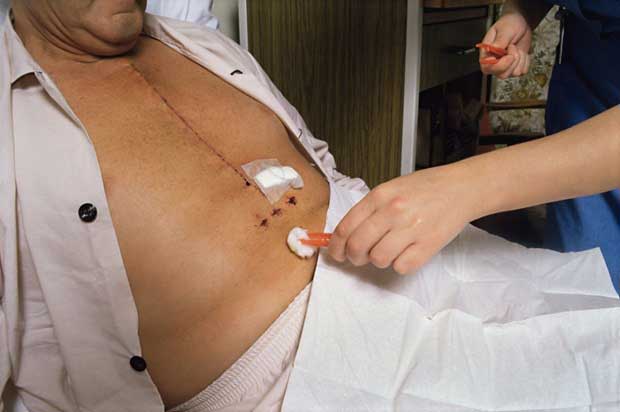
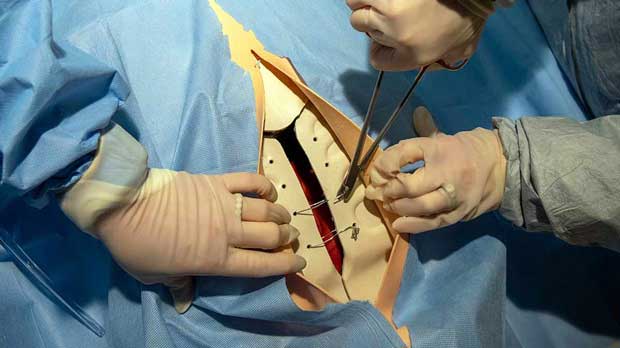
• The surgeon makes an incision in the chest, often through the sternum (breastbone), which is called a median sternotomy.


• Depending on the specific procedure, the surgeon may temporarily stop the heart (cardioplegia) to perform the necessary repairs.
Coronary Artery Bypass Grafting (CABG):
• A blood vessel graft (usually from the leg or chest) is used to bypass a blocked coronary artery, creating a new pathway for blood to reach the heart muscle.
Valve Surgery:
• For valve repair, the surgeon reshapes or reconstructs the damaged valve.
• For valve replacement, the damaged valve is replaced with a biological or mechanical prosthetic valve.
Aortic Aneurysm Repair:
• The aneurysm is cut open, and a synthetic graft is sewn into place to replace the weakened portion of the aorta.
Post-Operative Care:
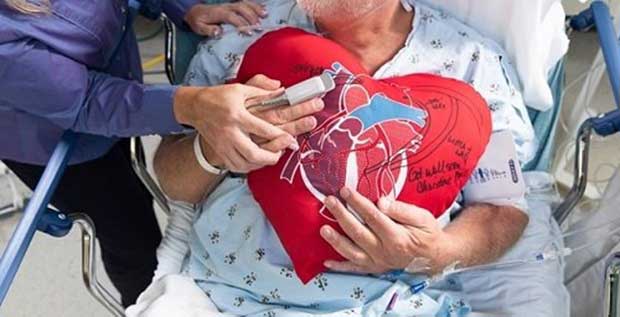
• The patient is typically monitored in an intensive care unit (ICU) after surgery.
• Recovery time varies but may involve several days to a few weeks in the hospital.
• Rehabilitation and lifestyle changes are often recommended to promote long-term heart health.
Risks and Complications:
• Open heart surgery is a complex procedure and carries inherent risks, including infection, bleeding, blood clots, stroke, and arrhythmias.
Recovery and Long-Term Outcomes:
• Most patients experience significant improvement in their heart condition following surgery.
• Lifestyle changes, medications, and ongoing medical care are often necessary for maintaining heart health.


Advances in Minimally Invasive Surgery:
• Some cardiac procedures can now be performed using minimally invasive techniques, which may result in shorter recovery times and less scarring.
Open heart surgery is a life-saving procedure for many patients with serious heart conditions. However, it should be considered after careful evaluation by a team of healthcare professionals, including cardiologists and cardiac surgeons. The choice of procedure and surgical approach will depend on the patient's specific condition and overall health.
After undergoing open lip surgery, it is essential to follow specific care instructions to ensure proper healing and minimize the risk of complications. While the exact post-operative care may vary depending on the type of lip surgery you had (e.g., lip augmentation, lip reduction, cleft lip repair), the following guidelines are generally applicable:


Dos:
Follow your surgeon's instructions: The most critical step in post-operative care is to adhere to the instructions provided by your surgeon. They will give you specific guidelines tailored to your procedure.
Keep the area clean: Gently clean the surgical site as directed by your surgeon. Usually, this involves using a mild, non-alcoholic, non-abrasive, and fragrance-free cleanser.
Apply prescribed ointments or creams: If your surgeon recommends any specific ointments or creams, use them as instructed to keep the surgical area moisturized and protected.
Use cold compresses: Cold compresses can help reduce swelling and ease discomfort. Use them for short periods as recommended by your surgeon.
Stay hydrated: Drink plenty of water to aid in the healing process and prevent dry lips, which can be uncomfortable.
Eat soft, cool foods: After lip surgery, it's essential to consume soft and cool foods that won't irritate the surgical site. Avoid hot, spicy, or overly acidic foods.
Protect your lips from the sun: If your surgeon advises it, protect your lips from direct sunlight, as sun exposure can worsen scarring.
Take prescribed medications: If your surgeon prescribes any medications, take them as directed, especially if they are pain relievers or antibiotics.
Don'ts:
Avoid touching the surgical site: Do not touch or pick at the surgical area with your fingers or any objects, as this can introduce bacteria and cause infection.
Avoid vigorous mouth movements: Be cautious with your mouth movements to prevent any stress on the surgical area. Avoid wide smiles, excessive talking, and chewing hard or crunchy foods.
Refrain from smoking and alcohol: Smoking and alcohol can interfere with the healing process and increase the risk of complications. It's best to avoid them during the recovery period.


Don't apply makeup or lip products: Avoid applying cosmetics or lip products to the surgical area until your surgeon gives you the green light.
Don't engage in strenuous physical activities: Avoid strenuous exercise and physical activities that can increase blood flow to the surgical site. Consult your surgeon for guidance on when you can resume these activities.
Don't expose the area to extreme temperatures: Avoid extremely hot or cold foods and beverages, as they can be uncomfortable and potentially harm the healing tissues.
Don't skip follow-up appointments: Attend all scheduled follow-up appointments with your surgeon to monitor your progress and address any concerns.
It's important to remember that recovery times can vary depending on the type and extent of the lip surgery you had. Always consult with your surgeon for specific post-operative care instructions and follow them diligently to achieve the best results and minimize the risk of complications.


Cost of open heart surgery:
The cost of open-heart surgery in Iran can vary depending on several factors, including the specific type of procedure, the hospital or medical center where it is performed, the surgeon's fees, and whether you have insurance coverage.
Our services include:
our online services include: quotes and consultation
Planning the highest word-level medical trips and quality hospitals and medical centers according to the patient's request and budget.
Appointing treatments by the most skilled and experienced doctors.
Airport pick-up/drop off, check-ups, accompanying translator, book hotel (for patients and their families)
Pre-hospitalization / post-hospitalization care services



All-Inclusive Medical Travel Packages
based on your budget, our team will assist you in choosing the best hotels, doctors, and medical centers. Our packages include:
Airport Pickup Services
Airport Dropoff services
Hotel
Ticket
visa
translator
Transfer
SIM Card
Sightseeing
why Iran
Patients may choose to have abdominoplasty (commonly known as a tummy tuck) in Iran for a variety of reasons
Cost, Quality of Care, Privacy and Discretion, Combined Tourism, no Waiting Times
![]()
Fotros is an Iranian health tourism company with a professional team consisting of a support team and word-level doctors in medical and cosmetic surgeries like Neurosurgery, Rhinoplasty, Breast cosmetic surgeries, Liposuction, tummy tuck, etc.


why Iran