


Medical Surgeries

A periodontal gum flap 

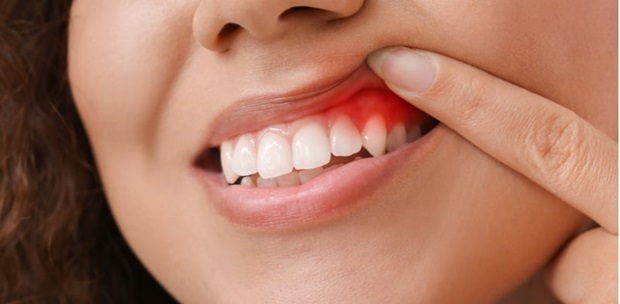
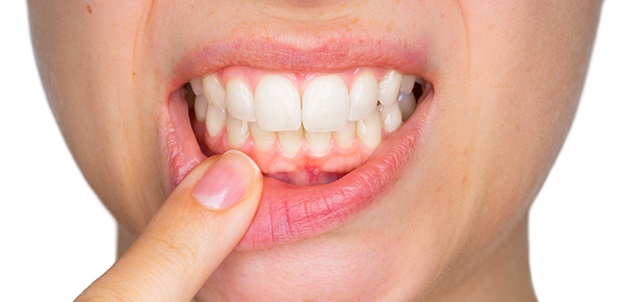
A periodontal gum flap, also known as a gingival flap, is a surgical procedure in dentistry used to access and treat the underlying structures of the teeth and gums, particularly in cases of advanced periodontal disease. Periodontal disease is a condition that affects the supporting structures of the teeth, including the gums, periodontal ligaments, and the bones surrounding the teeth.

Here's how the procedure typically works:


Anesthesia: The dentist or periodontist (a specialist in gum and periodontal disease) will administer local anesthesia to numb the area, ensuring the patient is comfortable during the procedure.
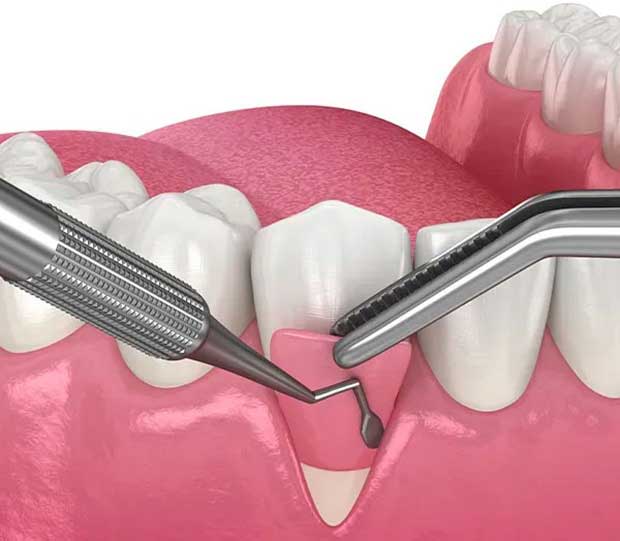
Incision: A small incision is made in the gum tissue near the affected tooth or teeth. This incision creates a flap, which is essentially a section of the gum tissue that can be lifted away from the tooth and surrounding bone.
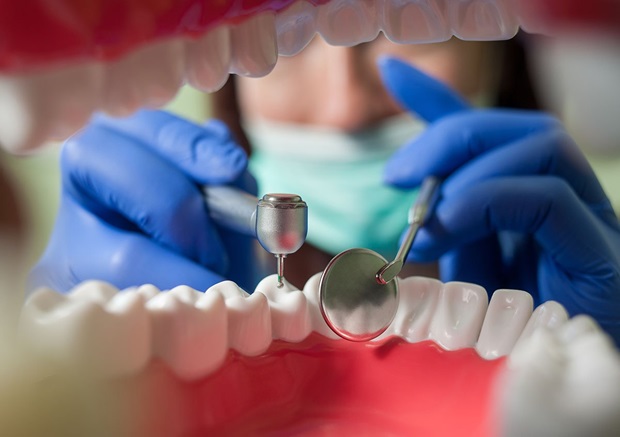
Access: Once the gum flap is raised, the dentist or periodontist gains access to the roots of the teeth and the surrounding bone. This allows them to thoroughly clean and remove any tartar, plaque, and infected tissue that may have accumulated in the deeper periodontal pockets.
Treatment: After cleaning and disinfecting the area, additional procedures, such as scaling and root planing or even bone grafting, may be performed as needed to promote healing and the regeneration of healthy gum tissue and bone.

Closure: Once the necessary treatments are completed, the gum flap is repositioned and sutured back into place, so it covers the treated area. This flap closure helps to secure the site and promote proper healing.

Why is this surgery performed?


Periodontal gum flap surgery is often used for more severe cases of periodontal disease, where non-surgical treatments like scaling and root planing may not be sufficient. The goal of this procedure is to improve the health of the gums, reduce pocket depths, and encourage the regeneration of lost periodontal tissue. It is usually performed by dental specialists who have expertise in treating gum and periodontal diseases.

Important care notice:


Periodontal gum flaps are a dental procedure used to treat advanced gum disease (periodontitis). During this procedure, a periodontist or oral surgeon lifts the gum tissue away from the teeth to access and clean the underlying tooth roots and bone. Proper care and maintenance following periodontal gum flap surgery are crucial for a successful recovery and long-term oral health. Here are some important care instructions to follow:
Follow Post-Operative Instructions: Pay close attention to the specific post-operative instructions provided by your periodontist or oral surgeon. These instructions may include information about pain management, diet, oral hygiene, and follow-up appointments.
Pain Management: You may experience some discomfort or pain after the procedure. Your dentist or oral surgeon may prescribe pain medication, or over-the-counter pain relievers like ibuprofen can be used as directed. Follow the recommended dosage instructions.
Diet: Stick to a soft or liquid diet for the first few days following the procedure to avoid putting unnecessary stress on the surgical site. Foods like soups, yogurt, pudding, and smoothies are good options.

Oral Hygiene: Maintaining proper oral hygiene is essential. Your healthcare provider will guide you on how to clean your teeth and the surgical site during the healing process. It's important to keep the surgical area free of food particles and debris. This may involve gentle rinsing with warm salt water or a prescribed mouthwash.
Avoid Aggressive Brushing: Be gentle when brushing your teeth to avoid damaging the surgical area. Your dentist or periodontist may provide a special toothbrush or suggest a gentle, soft-bristle brush.
Tobacco and Alcohol: Avoid smoking and alcohol consumption, as these can hinder the healing process and increase the risk of complications.
Medications: Take any prescribed antibiotics as directed to prevent infection. Follow the full course of antibiotics even if you feel better before completing them.
Swelling and Ice: You may experience swelling in the days following the surgery. Applying an ice pack to your face for short intervals can help reduce swelling. Be sure to use a cloth or towel to protect your skin from direct contact with the ice.

Rest: Allow your body to heal by getting adequate rest in the days following the surgery. Avoid strenuous physical activity.
Follow-Up Appointments: Attend all follow-up appointments with your dentist or periodontist as scheduled. These visits are essential for monitoring your healing progress and making any necessary adjustments to your treatment plan.
Oral Care Maintenance: Once the surgical site has healed, continue to follow a good oral hygiene routine, which includes regular brushing, flossing, and dental check-ups. Periodontal disease management may require more frequent dental cleanings and maintenance.

Why Iran

Iran, like many other countries, offers periodontal gum flap surgery as a treatment option for individuals with advanced periodontal disease. Periodontal gum flap surgery is a common procedure used to treat gum disease when non-surgical methods like scaling and root planing are not sufficient.
There are several reasons why someone might choose to have periodontal gum flap surgery in Iran or any other location:

  • Expertise: Iran has skilled periodontal specialists and dental surgeons who are trained in performing gum flap surgery. Many of them have received their education and training in reputable institutions both within and outside of Iran.
  • Advanced Facilities: Dental clinics and hospitals in Iran are equipped with modern dental technologies and equipment, making surgical procedures safer and more effective.
  • Cost: Medical and dental procedures in Iran can be more cost-effective compared to many Western countries. This cost advantage may make it an attractive option for individuals seeking periodontal treatment.
  • Access to Care: Iran has a well-developed healthcare system, and individuals can generally access dental care promptly, which is essential for treating periodontal disease before it progresses further.
  • Medical Tourism: Some individuals choose to travel to Iran for dental procedures, including periodontal gum flap surgery, as part of medical tourism. They may combine their treatment with a visit to explore the country's culture and attractions.

Surgery Details

  • anesthesia
    Anesthesia: -
  • recovery
    Recovering: 2 / 3 days
  • surgery-room (1)
    Operation: about 1 hour
  • hospital-bed (1)
    Hospitalization: –
  • working
    Back to normal life: -
  • salary
    Cost: From $150

Our services include:


our online services include: quotes and consultation


Planning the highest word-level medical trips and quality hospitals and medical centers according to the patient's request and budget.


Appointing treatments by the most skilled and experienced doctors.


Airport pick-up/drop off, check-ups, accompanying translator, book hotel (for patients and their families)


Pre-hospitalization / post-hospitalization care services


All-Inclusive Medical Travel Packages


based on your budget, our team will assist you in choosing the best hotels, doctors, and medical centers. Our packages include:

  • take-off
    Airport Pickup Services
  • luggage-cart
    Airport Dropoff services
  • review
    Hotel
  • airplane-ticket
    Ticket
  • passport (1)
    visa
  • translate
    translator
  • car
    Transfer
  • simcard
    SIM Card
  • city
    Sightseeing

why Iran

Patients may choose to have abdominoplasty (commonly known as a tummy tuck) in Iran for a variety of reasons

Cost, Quality of Care, Privacy and Discretion, Combined Tourism, no Waiting Times


Fotros is an Iranian health tourism company with a professional team consisting of a support team and word-level doctors in medical and cosmetic surgeries like Neurosurgery, Rhinoplasty, Breast cosmetic surgeries, Liposuction, tummy tuck, etc.