





Medical Surgeries

Coronary Artery Bypass Graft (CABG)

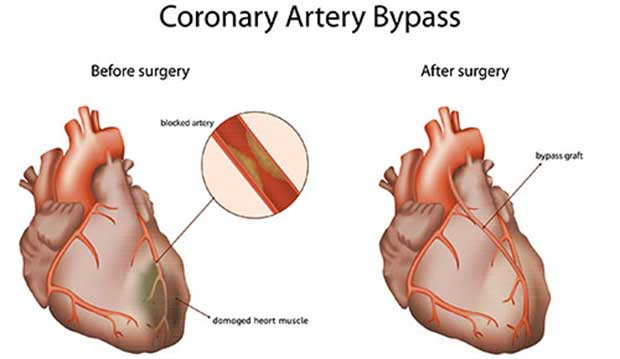
Coronary Artery Bypass Graft (CABG), commonly referred to as heart bypass surgery, is a medical procedure used to treat coronary artery disease (CAD) or coronary atherosclerosis.
CAD is a condition where the blood vessels that supply oxygen and nutrients to the heart muscle, called coronary arteries, become narrowed or blocked by the buildup of plaque. This can lead to reduced blood flow to the heart muscle, resulting in chest pain or potentially life-threatening conditions like heart attacks.
The primary purpose of CABG is to restore proper blood flow to the heart muscle by bypassing the blocked or narrowed coronary arteries.

This procedure involves the following steps:


Step1: Graft Selection: Typically, one or more healthy blood vessels are harvested from other parts of the body, such as the leg or chest wall. These are used as grafts to create new pathways for blood to flow around the blocked coronary arteries.
step2: Surgical Procedure: The patient is placed under general anesthesia, and the surgeon makes an incision in the chest. The breastbone is divided, allowing access to the heart. The surgeon then attaches one end of the harvested graft vessel to the aorta (the main artery carrying oxygenated blood from the heart) and the other to the coronary artery, bypassing the blocked area. The number of grafts needed depends on the extent of coronary artery disease.
step3: Blood Flow Restoration: The grafts serve as detours for blood, enabling it to flow around the blockages and supply the heart muscle with the oxygen and nutrients it needs.

Artery Bypass Graft (CABG), commonly referred to as heart bypass surgery, is a medical procedure used to treat coronary artery disease (CAD) or coronary atherosclerosis.
CAD is a condition where the blood vessels that supply oxygen and nutrients to the heart muscle, called coronary arteries, become narrowed or blocked by the buildup of plaque. This can lead to reduced blood flow to the heart muscle, resulting in chest pain or potentially life-threatening conditions like heart attacks.
The primary purpose of CABG is to restore proper blood flow to the heart muscle by bypassing the blocked or narrowed coronary arteries.

CABG can provide several benefits:


Relieving Chest Pain: It helps alleviate angina and other symptoms of coronary artery disease by improving blood flow to the heart.
Reducing the Risk of Heart Attack: By bypassing blocked arteries, CABG can significantly reduce the risk of heart attacks.
Enhancing Quality of Life: Many patients experience an improved quality of life with reduced chest pain and improved exercise capacity after CABG.
Prolonging Life: CABG can extend the life expectancy of patients with severe coronary artery disease.

Before CABG Surgery:

Pre-operative Assessment: Your healthcare team will conduct a thorough assessment, including medical history, physical examination, and various tests (such as blood work, ECG, and angiography) to evaluate the extent of coronary artery disease.
Medications: Your doctor may adjust or prescribe medications to manage your symptoms and prepare your body for surgery.
Diet and Lifestyle: Follow a heart-healthy diet and maintain a healthy lifestyle. This may include dietary restrictions and exercise as advised by your healthcare team.
Smoking Cessation: Quit smoking if you are a smoker, as it significantly increases the risks associated with surgery and hampers recovery.
Informed Consent: Understand the procedure, its risks, and benefits, and give informed consent.

Preparation at Home: Get your home ready for your return after surgery. Ensure you have someone to assist you during recovery.

After CABG Surgery:

Hospital Stay: CABG typically requires a hospital stay of about 3-5 days, although this can vary. During this time, you'll be monitored closely.
Pain Management: Pain and discomfort are common after surgery. Medications will be provided to manage pain effectively.
Mobility: Gradually increase your mobility under the guidance of your healthcare team. This includes sitting, standing, and walking to prevent complications like blood clots.
Wound Care: Keep your surgical incisions clean and dry, and follow your surgeon's instructions for dressing changes.
Breathing Exercises: Perform deep breathing exercises and use incentive spirometry to maintain lung function and prevent pneumonia.

Diet: Follow a heart-healthy diet as advised by a dietitian, and be mindful of any dietary restrictions.

Medications: You'll likely be prescribed medications, including blood thinners, to prevent blood clots and control blood pressure and cholesterol.
Cardiac Rehabilitation: Participate in a cardiac rehabilitation program to help with recovery, improve physical fitness, and manage heart disease risk factors.
Emotional Support: The recovery process can be emotionally challenging. Seek support from family, friends, or a mental health professional if needed.
Follow-up Appointments: Attend all scheduled follow-up appointments with your healthcare provider to monitor your progress and adjust your treatment plan as necessary.
Lifestyle Changes: Make permanent lifestyle changes, including dietary modifications, regular exercise, and smoking cessation, to reduce the risk of future heart problems.
CABG surgery is a major procedure, and recovery times can vary depending on the individual's overall health and the extent of the disease. Always follow your healthcare team's instructions and guidance for the best outcome.

Why Iran:


Iran, like many other countries, offers Coronary Artery Bypass Graft (CABG) surgeries as a standard medical procedure to treat coronary artery disease. There are several reasons why someone might choose to undergo CABG surgery in Iran:

Medical Expertise: Iran has a strong medical infrastructure with highly trained and skilled cardiac surgeons, cardiologists, and medical staff who are experienced in performing CABG surgeries. Many Iranian doctors receive training and education in leading medical institutions around the world.

Cost-Effective Healthcare: Medical procedures in Iran, including CABG surgeries, are often more affordable than in many Western countries, making it an attractive option for patients seeking cost-effective healthcare solutions. This is particularly appealing to patients who do not have adequate insurance coverage or who are looking to save on medical expenses.

Modern Facilities: Many hospitals and medical facilities in Iran are equipped with state-of-the-art medical equipment and technology, ensuring high-quality care for patients. These facilities are on par with international standards.

Short Waiting Times: In some countries, patients may experience long waiting times for elective surgeries like CABG. Iran, on the other hand, can offer shorter waiting times, allowing patients to receive timely treatment.

Medical Tourism: Iran has been promoting medical tourism in recent years, making it easier for international patients to access quality healthcare services. This includes offering assistance with travel arrangements and visa applications.

Cultural Attractions: For patients who wish to combine their medical treatment with tourism, Iran's rich history, culture, and tourist attractions can be an added incentive.

In Iran, coronary bypass surgery prices are from $7000, through fotros team, the operation will be pre-planned and the success results will be guaranteed.

Our services include:


our online services include: quotes and consultation


Planning the highest word-level medical trips and quality hospitals and medical centers according to the patient's request and budget.


Appointing treatments by the most skilled and experienced doctors.


Airport pick-up/drop off, check-ups, accompanying translator, book hotel (for patients and their families)


Pre-hospitalization / post-hospitalization care services


All-Inclusive Medical Travel Packages


based on your budget, our team will assist you in choosing the best hotels, doctors, and medical centers. Our packages include:

  • take-off
    Airport Pickup Services
  • luggage-cart
    Airport Dropoff services
  • review
    Hotel
  • airplane-ticket
    Ticket
  • passport (1)
    visa
  • translate
    translator
  • car
    Transfer
  • simcard
    SIM Card
  • city
    Sightseeing

why Iran

Patients may choose to have abdominoplasty (commonly known as a tummy tuck) in Iran for a variety of reasons

Cost, Quality of Care, Privacy and Discretion, Combined Tourism, no Waiting Times


Fotros is an Iranian health tourism company with a professional team consisting of a support team and word-level doctors in medical and cosmetic surgeries like Neurosurgery, Rhinoplasty, Breast cosmetic surgeries, Liposuction, tummy tuck, etc.