

Medical Surgeries
Prostatectomy


A prostatectomy is a surgical procedure in which the prostate gland is removed. The prostate gland is a part of the male reproductive system, located just below the bladder and in front of the rectum. It produces seminal fluid, which helps transport and nourish sperm during ejaculation.
Prostatectomies are typically performed for several reasons, including:
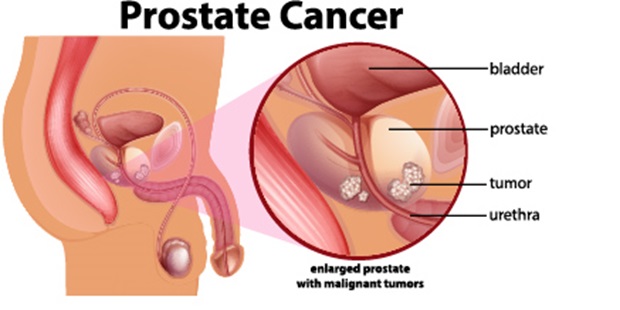
Prostate cancer: When cancer is detected in the prostate gland and is confined to the prostate or hasn't spread beyond it, a prostatectomy may be recommended as a treatment option.
Benign prostatic hyperplasia (BPH): In some cases, an enlarged prostate, usually caused by BPH, can lead to urinary problems. A prostatectomy may be performed to relieve these symptoms when other treatments are ineffective.
There are different approaches to performing a prostatectomy, including:
Open prostatectomy: This involves making a single large incision in the lower abdomen to access and remove the prostate gland. It's less common today, as minimally invasive techniques have become more widely used.
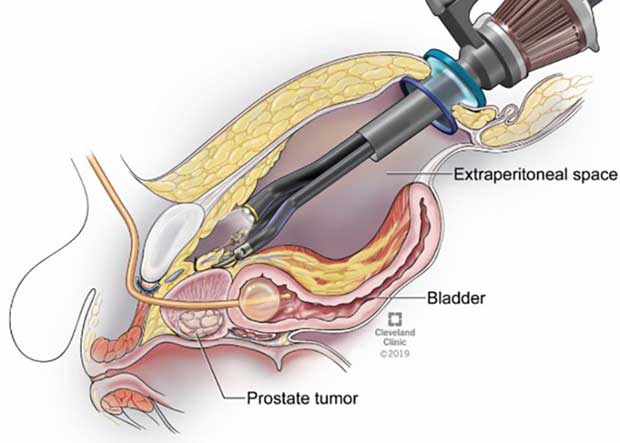
Laparoscopic or robotic-assisted laparoscopic prostatectomy: In these procedures, multiple small incisions are made, and specialized instruments and a camera are used to remove the prostate gland. The robotic-assisted approach involves the use of a surgical robot, controlled by a surgeon, to operate with enhanced precision and dexterity.
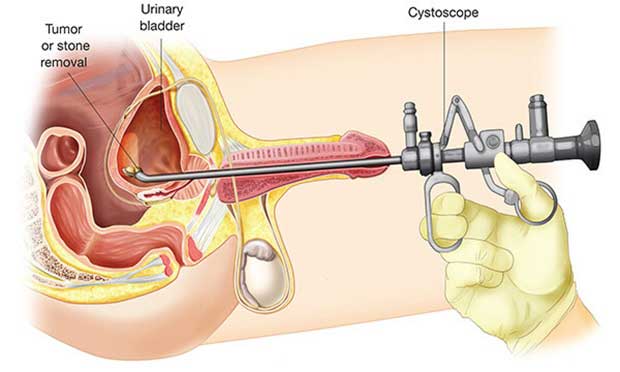
Transurethral resection of the prostate (TURP): TURP is a minimally invasive procedure used primarily to treat BPH. It involves inserting a specialized instrument through the urethra to remove excess prostate tissue that is causing urinary obstruction.


The choice of the specific procedure depends on the patient's condition, the size of the prostate, and the surgeon's expertise. Each approach has its advantages and disadvantages, and the patient's overall health and individual circumstances are taken into consideration when determining the most suitable option.
Prostatectomy can have potential side effects, such as urinary incontinence and erectile dysfunction. The extent of these side effects can vary depending on the surgical technique used and the individual patient. It's important for patients to discuss the risks and benefits of the procedure with their healthcare provider and to consider potential alternatives and post-surgery management.


Before the Procedure:
Consultation: Before the surgery, you will have a consultation with your surgeon to discuss the procedure, potential risks, and benefits. You can ask any questions or address concerns during this meeting.
Preoperative Preparation: Your healthcare team will provide specific instructions for preoperative preparations, which may include fasting for a certain period before the surgery, discontinuing certain medications, and cleansing the surgical site.
Arrange for Support: Ensure that you have a support system in place. You may need someone to drive you to and from the hospital and provide assistance during your recovery.
Medication: Follow your surgeon's instructions regarding any medications you need to take or discontinue before the procedure.
After the Procedure:
Hospital Stay: The length of your hospital stay will depend on the type of prostatectomy performed (open, laparoscopic, or robotic-assisted). Typically, you'll spend 1-3 days in the hospital.
Pain Management: Pain and discomfort are common after surgery. Your medical team will provide pain medications to manage this. It's crucial to report your pain level and side effects to your healthcare providers.
Catheter: A urinary catheter will be inserted to help drain urine from your bladder. This will usually remain in place for a specific period, depending on your surgeon's recommendation.
Diet: You'll gradually transition from clear liquids to solid foods based on your tolerance. Adequate nutrition is essential for healing.
Follow-up Appointments: Your surgeon will schedule follow-up appointments to monitor your progress and remove sutures or staples if necessary.


Erectile Function: Depending on the type of prostatectomy and other factors, you may experience temporary or long-term changes in erectile function. Discuss your concerns with your healthcare provider, as various treatments and therapies are available.
Mobility: It's essential to move around as soon as you're able, under your healthcare team's guidance. This helps prevent complications like blood clots and promotes recovery.
Activity Restrictions: Your surgeon will provide guidelines on activity restrictions. Typically, strenuous activities, heavy lifting, and sexual activity should be avoided for a specified period.
Bladder Control: You may experience urinary incontinence after the catheter is removed. Pelvic floor exercises, known as Kegel exercises, can help strengthen the muscles and improve bladder control.
Emotional Support: It's common to experience emotional challenges after a prostatectomy, such as anxiety or depression. Seek emotional support from loved ones, support groups, or mental health professionals if needed.
Follow Medical Advice: Adhere to your healthcare team's recommendations for medication, wound care, and any other post-operative instructions.
Recovery from a prostatectomy can vary from person to person. It's essential to communicate openly with your healthcare team and ask questions as needed to ensure a smooth recovery process. Always consult your healthcare provider for personalized care instructions and advice.
Why Iran:
Iran has developed a reputation for offering high-quality medical services, including prostatectomy, for several reasons. Here are some factors that make Iran suitable for prostatectomy:
Skilled Medical Professionals: Iran boasts a well-educated and skilled medical workforce. Many Iranian doctors and surgeons are trained and certified in prestigious international institutions, and they keep up-to-date with the latest medical advancements. This includes urologists and surgeons who specialize in prostatectomy procedures.
Cost-Effective Healthcare: Iran's healthcare system is known for providing high-quality medical services at a fraction of the cost in many Western countries. Prostatectomy in Iran can be significantly more affordable, making it a cost-effective option for patients seeking this procedure.
Advanced Medical Facilities: Iran has modern and well-equipped hospitals and clinics that meet international standards. Many of these facilities have invested in state-of-the-art medical equipment and technology, which is crucial for performing successful prostatectomies.


Medical Tourism: Iran has become a destination for medical tourism, drawing patients from around the world seeking various medical treatments, including prostatectomy. The combination of affordable healthcare and high-quality medical services is a major incentive for medical tourists.
Multilingual Healthcare Providers: Many Iranian healthcare providers are proficient in English and other languages, which can make communication easier for international patients. This is particularly important when discussing medical procedures and post-operative care.
Access to Medications: Iran has a well-developed pharmaceutical industry, ensuring that patients have access to the necessary medications and follow-up care post-prostatectomy.
Strict Medical Regulations: The Iranian healthcare system adheres to strict medical regulations and standards, which help ensure patient safety and the quality of care provided.


Our services include:
our online services include: quotes and consultation
Planning the highest word-level medical trips and quality hospitals and medical centers according to the patient's request and budget.
Appointing treatments by the most skilled and experienced doctors.
Airport pick-up/drop off, check-ups, accompanying translator, book hotel (for patients and their families)
Pre-hospitalization / post-hospitalization care services
All-Inclusive Medical Travel Packages
based on your budget, our team will assist you in choosing the best hotels, doctors, and medical centers. Our packages include:
Airport Pickup Services
Airport Dropoff services
Hotel
Ticket
visa
translator
Transfer
SIM Card
Sightseeing


why Iran
Patients may choose to have abdominoplasty (commonly known as a tummy tuck) in Iran for a variety of reasons
Cost, Quality of Care, Privacy and Discretion, Combined Tourism, no Waiting Times
![]()
Fotros is an Iranian health tourism company with a professional team consisting of a support team and word-level doctors in medical and cosmetic surgeries like Neurosurgery, Rhinoplasty, Breast cosmetic surgeries, Liposuction, tummy tuck, etc.


why Iran